
Table of Content
- Introduction: A Silent Epidemic in a Young Nation
- Understanding Lifestyle Diseases
- Gandhian Wisdom: A Blueprint for Prevention
- The Pillars of Prevention and Management
- Integrative Care and Community Solutions
- Conclusion: From Dependence to Independence
Introduction Lifestyle: A Silent Epidemic in a Young Nation
India today stands at a paradoxical crossroads. On one hand, we celebrate rapid economic growth, technological advancement, and increased life expectancy. On the other, we face a silent epidemic of lifestyle diseases—diabetes, obesity, hypertension, heart disease, cancers, and chronic respiratory illnesses—that threaten the health, productivity, and future of our people.
Non-communicable diseases (NCDs), once considered diseases of affluence, now account for over 60% of all deaths in India. What is more alarming is that these diseases increasingly affect younger populations, rural communities, and economically productive age groups. The burden is no longer confined to cities; villages are witnessing the same patterns of obesity, diabetes, and hypertension.
The tragedy is this: most lifestyle diseases are preventable—and many are reversible—through timely, sustained lifestyle change.
The Diabetes Azadi movement emerges from this realization: that freedom from diabetes and lifestyle diseases is not found in lifelong medication alone, but in reclaiming natural living, mindful eating, physical activity, stress balance, and self-discipline—values deeply rooted in India’s traditional wisdom.
Understanding Lifestyle Diseases: More Than Just Medical Conditions
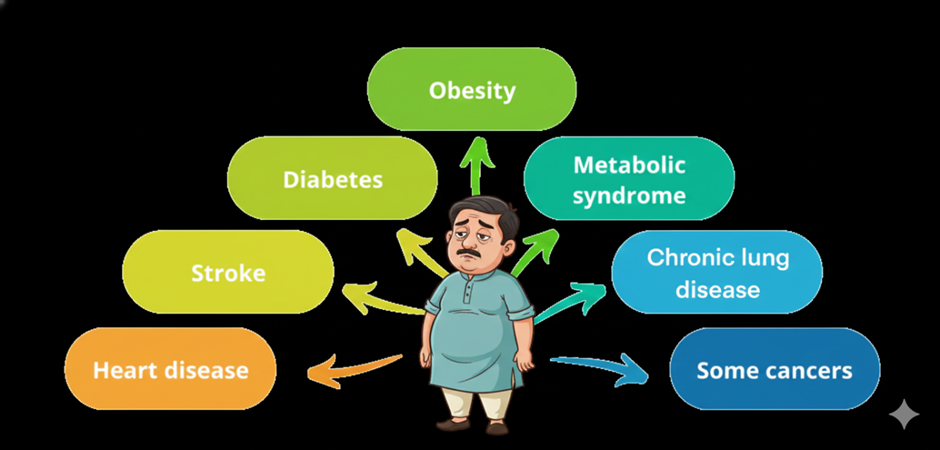
Lifestyle diseases are chronic conditions that develop primarily due to long-term unhealthy behaviours rather than infections. These include:
- Diabetes
- Hypertension
- Obesity and metabolic syndrome
- Cardiovascular diseases
- PCOD and PCOS
- Chronic respiratory diseases
- Certain cancers
- Mental health disorders
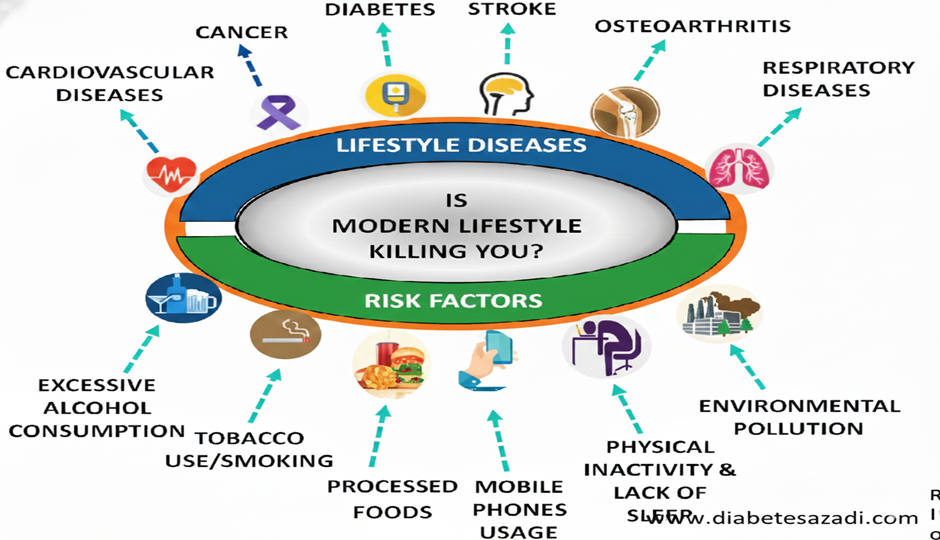
According to WHO, four major risk factors drive most lifestyle diseases:
- Unhealthy diet
- Physical inactivity
- Tobacco and alcohol use
- Chronic stress and environmental pollution
These behaviours lead to metabolic changes such as raised blood glucose, high blood pressure, abnormal lipids, and excess body weight.
In India, the situation is worsened by:
- Knowledge Gap
- Rapid urbanization
- Sedentary jobs
- Processed food culture
- Declining physical labour
- Stressful lifestyles
- Disconnection from traditional food and routines
Lifestyle diseases do not appear overnight. They begin silently, often in early adulthood, and progress gradually until complications arise—heart attacks, strokes, kidney failure, blindness, amputations, and premature death.
India’s Changing Health Scenario: From Infections to Lifestyle Disorders
For decades, India battled infectious diseases, maternal mortality, and child malnutrition. While these challenges persist, the country is now experiencing a health transition.
Data from ICMR and WHO reveal:
- Nearly two-thirds of deaths in India are now due to NCDs
- Diabetes prevalence continues to rise, especially in urban and semi-urban areas
- Hypertension affects nearly one in three adults
- Obesity is increasing among both adults and children
India now faces a triple burden of disease:
- Infectious diseases
- Non-communicable diseases
- Injuries and accidents
This transition demands a new health response—one that prioritizes prevention, self-care, and community engagement rather than hospital-centric treatment alone.
The Indian Health Transition: From Infections to Lifestyle Disorders
For decades, India’s health system focused on infectious diseases. However, recent data from ICMR and WHO reveal a clear shift:
- Over 61% of deaths in India are due to NCDs
- Diabetes prevalence is rising sharply
- Nearly 1 in 3 adults has hypertension
- Childhood obesity is increasing
India now faces a triple burden of disease:
- Infectious diseases
- Lifestyle diseases (NCDs)
- Injuries and accidents
This reality demands a paradigm shift from disease treatment to health promotion and lifestyle correction
Gandhian Wisdom: A Forgotten Blueprint for Lifestyle Disease Prevention
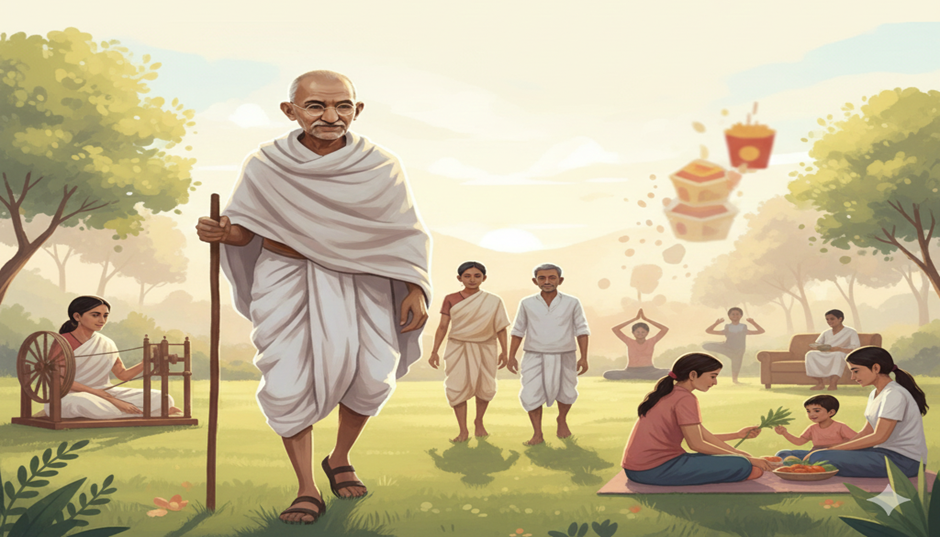
Long before modern medicine recognized lifestyle diseases, Mahatma Gandhi understood the intimate connection between behaviour, thoughts, and health.
“It is health that is real wealth and not pieces of gold and silver.”
Gandhiji viewed the human body as a temple, not a vehicle for indulgence. His philosophy aligns seamlessly with modern preventive medicine.
Key Gandhian Principles Relevant Today
1. Ahara (Diet Discipline)
Gandhiji emphasized simple, balanced, natural food and warned against over-consumption.
“The body was never meant to be treated as a refuse bin.”
Modern research confirms that excessive sugar, salt, refined carbohydrates, and unhealthy fats fuel obesity and diabetes.
2. Vihara (Physical Activity)
Despite his age and responsibilities, Gandhiji walked daily, believing physical training was as essential as mental education.
Sedentary lifestyles today have replaced movement with screens, contributing significantly to metabolic diseases.
3. Brahmacharya (Self-Restraint)
He strongly opposed tobacco and alcohol, calling them destructive addictions.
India today bears enormous health and economic losses due to these habits.
4. Prakriti Sanrakshan (Environmental Harmony)
Gandhiji recognized the importance of clean air, water, and surroundings—issues now central to public health due to pollution-related NCDs.
Lifestyle Disease Prevention: The First and Strongest Medicine
The most powerful medicine against lifestyle diseases is prevention.
Research shows that adopting four healthy behaviours can reduce NCD risk by up to 80%:
- Healthy body weight
- Regular physical activity
- Balanced diet
- Avoidance of stress
1. Food as Medicine
Indian traditional diets—when followed correctly—are inherently protective:
- Seasonal fruits and vegetables
- Whole grains
- Millets and pulses
- Limited sugar, salt, and oil
Prevention strategies include:
- Eating mindfully and slowly
- Reducing portion sizes
- Avoiding ultra-processed foods
- Preferring home-cooked meals
2. Movement as Daily Routine
Physical activity does not require gyms or equipment.
- Walking
- Yoga
- Household work
- Cycling
- Traditional games
At least 30 minutes daily for adults and 60 minutes for children is essential.
3. Stress Management: The Missing Link
Chronic stress raises cortisol, blood sugar, and blood pressure.
Yoga, meditation, pranayama, and mindfulness are powerful, low-cost solutions deeply rooted in Indian tradition.
4. Tobacco & Alcohol: Breaking the Addiction Cycle
Complete avoidance remains the best strategy.
Counselling, community support, and behaviour change communication are critical.
Management of Lifestyle Diseases: Beyond Lifelong Medication
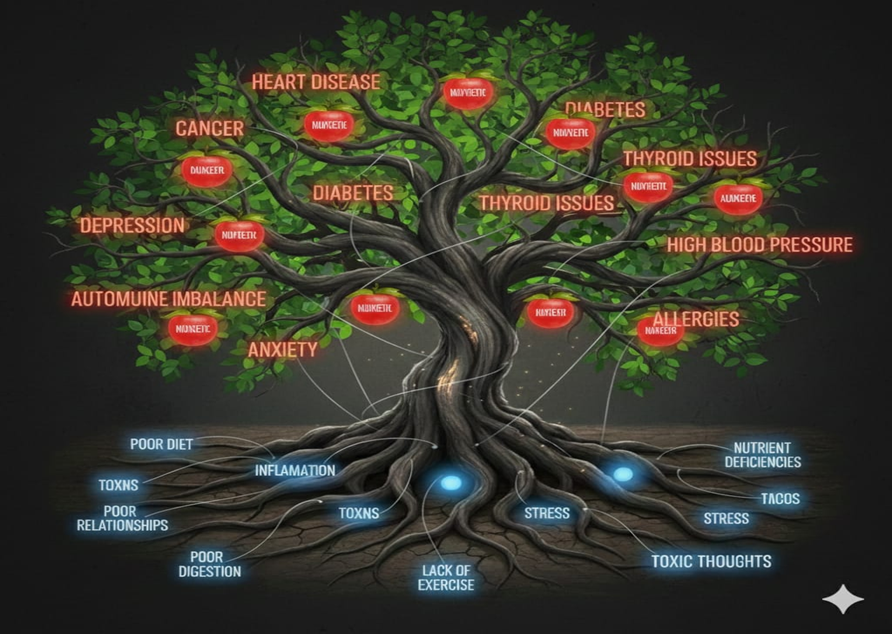
While prevention is ideal, millions already live with lifestyle diseases. Management must move beyond symptom control to root-cause correction.
Diabetes Management: The Diabetes Azadi Approach
Type 2 diabetes is largely a lifestyle-driven condition.
Effective management includes:
- Nutrition correction
- Regular physical activity
- Weight management
- Stress control
- Monitoring blood sugar
- Gradual reduction of medication under supervision
Evidence shows that early-stage diabetes can be reversed or brought into remission through disciplined lifestyle change.
Integrative Care Through AYUSH & Primary Health Systems
India’s strength lies in its pluralistic healthcare system:
- Ayurveda
- Yoga
- Unani
- Siddha
- Homeopathy
When integrated with modern diagnostics and public health programs, AYUSH systems offer personalized, holistic, and preventive care—especially at Health & Wellness Cere.
Community-Centric Solutions: Health Beyond Hospitals
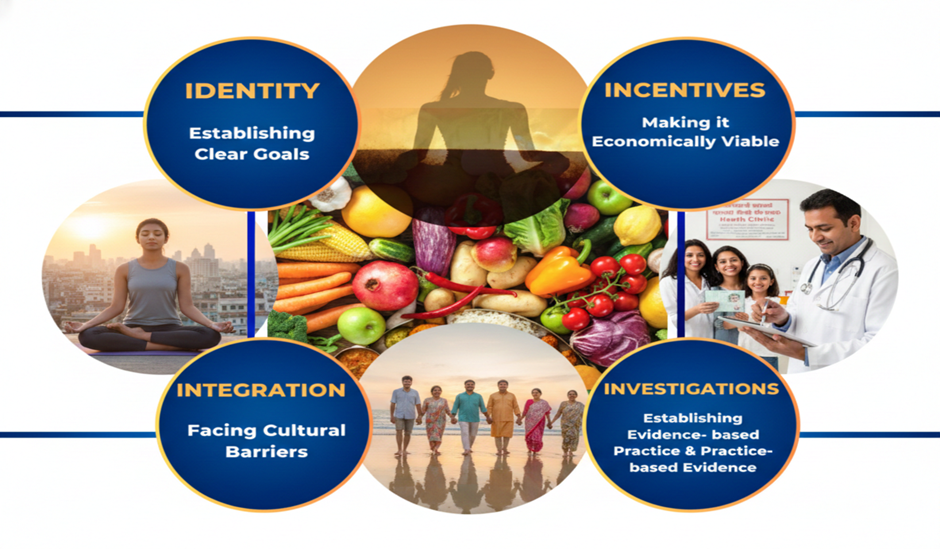
Lifestyle diseases cannot be solved inside hospitals alone.
They require:
- Individual counselling
- Community awareness
- Workplace wellness
- Family involvement
- Handhold support
The Diabetes Azadi movement strengthens this ecosystem by empowering individuals to take ownership of their health.
The Way Forward: From Dependence to Independence
India does not lack knowledge—it lacks implementation at scale.
To truly defeat lifestyle diseases, we must:
- Shift focus from treatment to prevention
- Empower communities with knowledge
- Reconnect with traditional wisdom
- Integrate AYUSH with public health and modern health system
- Promote self-care as a national movement
“Man’s captivity or freedom depends on the state of his mind.”
Freedom from lifestyle diseases begins with a decision—to live consciously.
Conclusion: Diabetes Azadi Is a People’s Movement
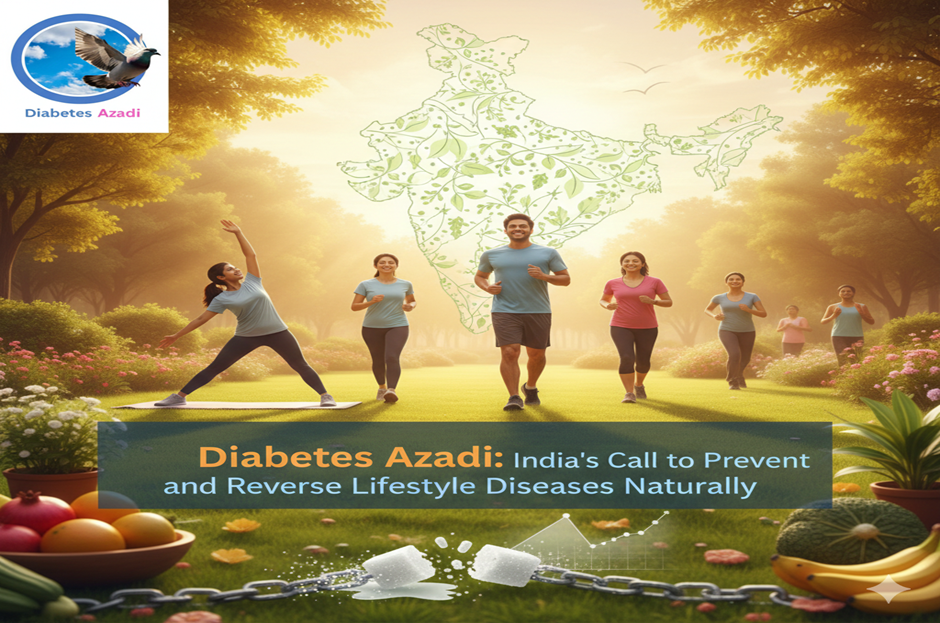
Lifestyle diseases are not destiny. They are the result of choices—often unconscious ones.
Diabetes Azadi is not merely freedom from a disease; it is freedom from unhealthy living, dependency, and neglect of self-care.
By embracing natural living, balanced food, physical activity, and mental discipline, India can reclaim its legacy as a land of health, harmony, and longevity.
The journey begins—not in hospitals—but at home, on the plate, on the walking path, and in the mind.